

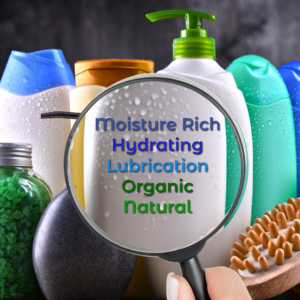
We’ve all been sold the same story: “Your hair needs moisture.” “Hydration.” “Lubrication.” Pick up any haircare product and you’ll see these buzzwords plastered across the label. But here’s what most brands won’t tell you: they focus on these surface-level solutions because that’s literally all their products can do: work on the surface.
The Problem with Surface-Level Solutions
On hair that has a healthy cuticle and lipid layer, “surface-level” simply isn’t enough. These protective barriers are designed to keep things out, which means your expensive treatments aren’t delivering protein to all three layers of the hair where it’s actually needed.
And when brands do use proteins? They often opt for synthetic versions that lead to buildup on the hair shaft. The marketing world has even coined a term for this: “overproteinization.” It sounds scientific, doesn’t it? But it’s really just code for “our products sit on top of your hair and create problems.”
The Water Paradox
Here’s another inconvenient truth: water can’t penetrate past that lipid layer. Which means most water-based products (yes, even that cult-favorite leave-in conditioner you spent $50 on) can’t actually help inside the hair where real repair happens.
Think about it this way: when you cook pasta, you don’t just spray water on dry noodles and call it done. You boil them, allowing water to penetrate all the way through every ingredient until they’re hydrated from the inside out.
But with hair? The industry has convinced us that slapping something on the outside is enough.
So What Actually Works?
The answer lies in understanding how to actually penetrate that lipid barrier. And that’s where aloe comes in, specifically pharmaceutical-grade aloe vera gel.
Aloe contains 20 out of 25 amino acids, including 7 out of 8 essential ones. But here’s what makes it revolutionary: aloe acts as a driver, able to get past that lipid layer and deliver those proteins to all three layers of the hair. It doesn’t just sit on top pretending to work. It actually penetrates and nourishes from within.
This is why brands like Eufora have built their entire philosophy around aloe-based formulations. They combine that aloe driver with other all-natural, sustainably sourced proteins to provide targeted nutrients for various hair types. And because aloe can penetrate the skin’s lipid layer too, these products provide genuine hydration for your scalp, not just the illusion of it.
The Aloe Deception
Now, before you run out and grab any product with “aloe” on the label, let me stop you right there.
The industry caught onto the aloe trend, and like everything else, they found a way to fake it. Many brands now add a token amount of aloe to their water-dense formulas just so they can plaster it on the label and charge you more.
Here’s what they won’t tell you: studies have shown that you don’t reap the benefits of aloe if the entirety of the formula contains less than 10% gel. Most brands are 70 to 90% water with some watered-down “aloe leaf juice” thrown in. That doesn’t cut it.
Eufora’s base for most of their products is 70% Certified Organic, Pharmaceutical Grade Aloe Vera Gel. Not aloe water. Not aloe juice. Actual gel: the stuff that works.
The Backyard Aloe Problem
And before anyone thinks they can just grab aloe from their backyard and call it a day: eggs alone don’t make a noodle.
You need the right concentration, the right pH balance, the right supporting ingredients to actually deliver results. Without that, you’re just putting plant goo on your hair and hoping for the best. This is exactly why homemade and small-batch products can be risky, even with the best intentions.
Similarly, trendy DIY solutions like rice water might sound natural and beneficial, but your hair can’t digest rice. Unless the protein is properly hydrolyzed and formulated, you’re just rinsing starch through your hair.
Your Hair Doesn’t Need a Band-Aid or Lipstick. It Needs Nourishment.
Your hair doesn’t need more products that sit on the surface and make empty promises. It needs intelligent formulations that actually penetrate, nourish, and repair from the inside out.
If you’ve been using “curl-friendly” products that are heavy in butters and oils, this post about why curl products can quietly damage your hair explains why coating ingredients might be working against you rather than supporting your natural texture.
The next time someone tells you that your hair is “too fragile” for protein or that you just need more moisture, remember: they might be using the wrong products entirely.
- Your Hair Isn’t Thirsty. It’s Structurally Starving.
- Raw Oil Is Not a Hair Product. It’s an Ingredient.
- Why Your Hair Products Aren’t Actually Working (And What the Industry Doesn’t Want You to Know)
- A Guide to Vibrant Hair: How to Actually Maintain Hair Color Between Appointments
- Your Hair Isn’t High Porosity. It’s Damaged. And That Changes Everything About How You Treat It.
